

Montessori Learning
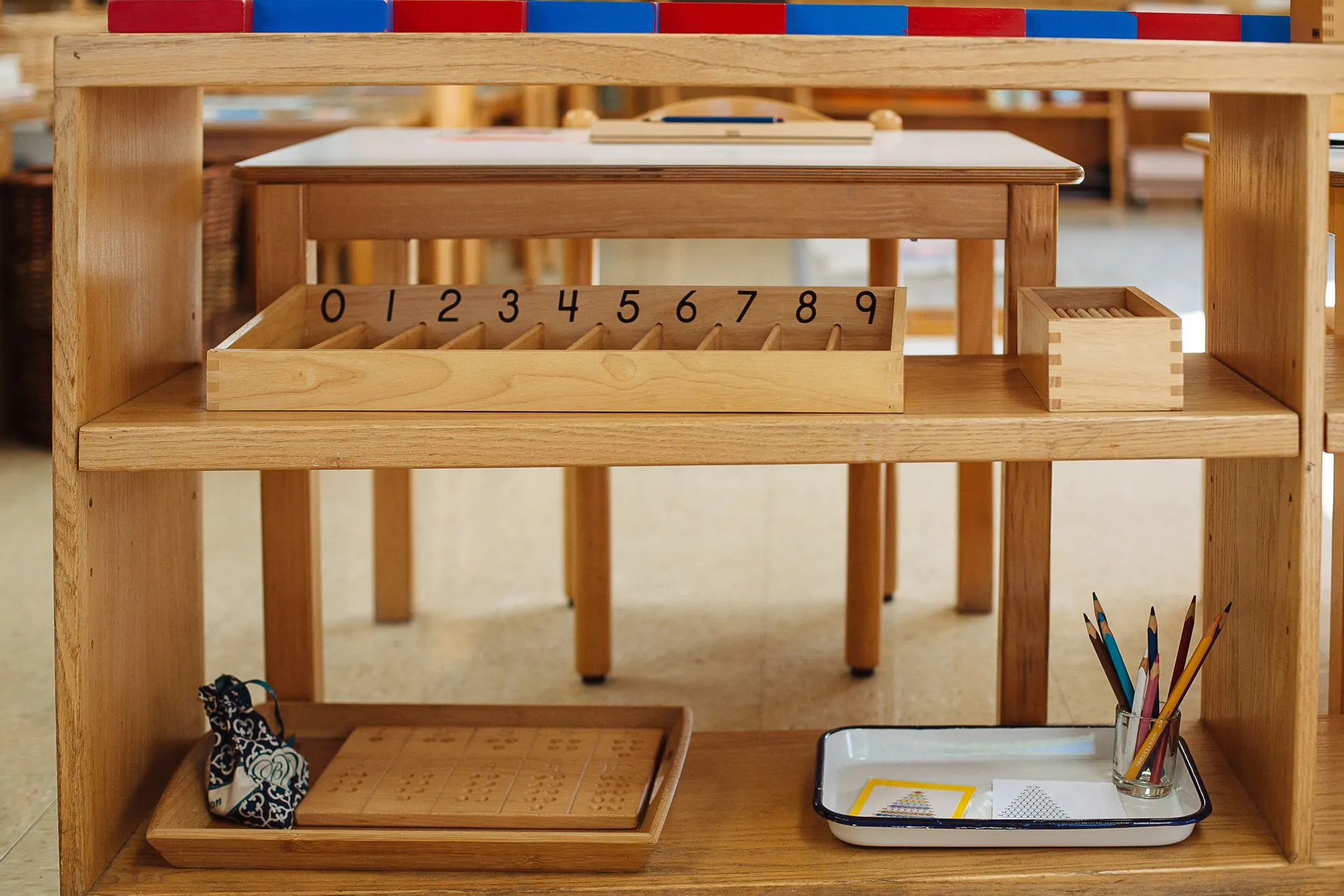
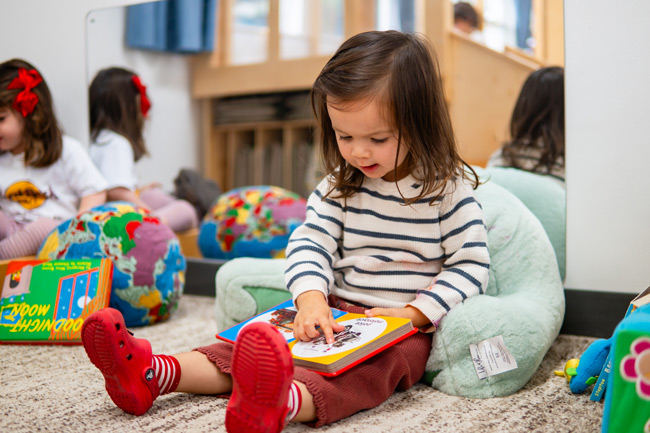
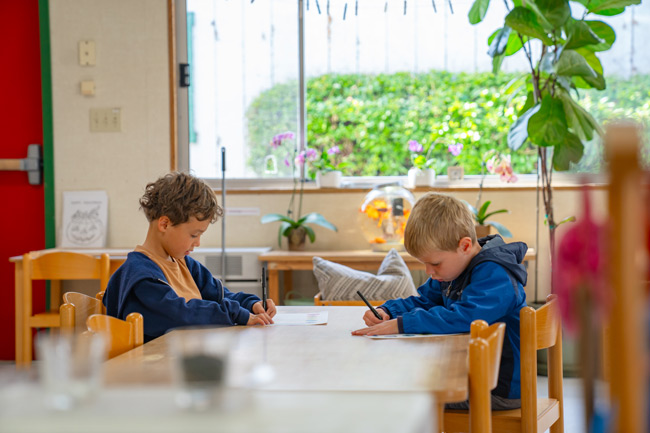
Montessori education is built on the understanding that children thrive when they are trusted as active participants in their own learning. Through hands-on materials, self-paced exploration, and mixed-age classrooms, Montessori environments nurture independence, intrinsic motivation, and deep concentration — qualities that form the foundation for both academic and personal success.

.jpg)
.jpg)
.jpg)
.jpg)
Montessori Community
At the heart of every Montessori school is a profound respect for the human spirit and the development of the whole child—physical, social, emotional, spiritual, and intellectual. Montessori recognizes each child as naturally curious, intrinsically motivated, and eager to understand their world. In thoughtfully prepared environments, they are guided to explore at their own pace, follow their interests, and cultivate independence.
Our community is rooted in the ideals of equity, inclusion, and social justice. We help children recognize, appreciate, and celebrate differences while fostering empathy and understanding. Teachers model respect, loving kindness, inclusivity, and peaceful conflict resolution, creating a culture where every child feels valued and empowered.
We believe our greatest responsibility is to equip children with the tools to become positive forces for good—caring for themselves, caring for others, and caring for the world. We strive to help them understand the interconnectedness of all things so they may grow into thoughtful, engaged members of their broader communities.
From acts of everyday kindness to stewardship of their environments, Montessori students learn to be agents of positive change, cultivating responsibility, compassion, and a lifelong commitment to learning and global citizenship.
Montessori Principles
A high quality Montessori program successfully incorporates five key elements, and these are mainstays of our program and philosophy at Montessori Center School:
Expertly trained Montessori teachers
At MCS, our teachers have trained at the top Montessori training centers nationally. The lead teacher in each classroom holds a Montessori credential for the level at which they teach. They have rigorous command of Montessori philosophy, Montessori curriculum, classroom management, child development, and 21st-century principles of future-ready teaching and learning. Many of our elementary teachers also hold state teaching certifications and master's degrees.
Multi-aged classrooms
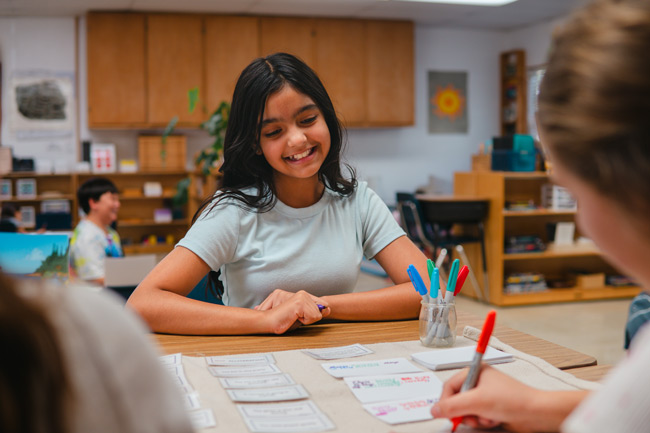
At MCS, we know that students benefit from differentiated learning based on abilities and readiness, not age. Self-esteem is built on personal accomplishments rather than comparison with same-age peers. We also know from educational research and decades of first-hand practice about the myriad benefits to academic progress and performance of “looping”: the practice of students remain with the same teacher for multiple school years. In a Montessori multi-age classroom, children learn alongside peers of different ages, fostering collaboration, mentorship, and a sense of community. The multi-age classroom—typically spanning three years—recreates a family structure. Older students enjoy stature as mentors and role models; younger children feel supported and gain confidence about the challenges ahead.
Montessori curriculum & materials
The Montessori curriculum is a dynamic, discovery-based approach that nurtures curiosity, creativity, and deep understanding. Using beautifully designed hands-on learning materials, students explore abstract concepts through concrete, sensory-rich experiences that make learning both engaging and lasting. Each lesson connects to a larger vision of how the world works—helping children see the interdependence of people, nature, and the universe, and their own place within it. Grounded in rigorous academics and individualized instruction, the Montessori program meets each learner where they are—making it especially effective for children with exceptional strengths and unique learning profiles. The result is confident, capable, and compassionate thinkers who are inspired to keep asking questions and seeking meaning.
Student-directed, teacher-guided work
In Montessori classrooms, learning is student-directed and teacher-guided, allowing children to follow their curiosity while receiving expert support when needed. This approach fosters intrinsic motivation, as students choose meaningful work that aligns with their interests and passions. Through this balance of independence and guidance, children discover their personal strengths, recognize areas for growth, and develop confidence in their ability to learn and improve.
Uninterrupted work periods
Montessori’s uninterrupted work period is a cornerstone of the classroom experience, giving children extended time to focus deeply on meaningful tasks without distraction. This rhythm allows students to fully engage with materials, explore concepts at their own pace, and develop concentration, persistence, and problem-solving skills. By protecting these blocks of time, the classroom becomes a space where children are free to follow their curiosity, take ownership of their learning, and experience the profound satisfaction of discovery.
Montessori Curriculum
Interdisciplinary and spiraled, the environment and materials foster a love for learning across five curricular areas.The Montessori curriculum is a dynamic, discovery-based approach that nurtures curiosity, creativity, and deep understanding. Using beautifully designed hands-on learning materials, students explore abstract concepts through concrete, sensory-rich experiences that make learning both engaging and lasting. Each lesson connects to a larger vision of how the world works—helping children see the interdependence of people, nature, and the universe, and their own place within it. Grounded in rigorous academics and individualized instruction, the Montessori program meets each learner where they are—making it especially effective for children with exceptional strengths and unique learning profiles. The result is confident, capable, and compassionate thinkers who are inspired to keep asking questions and seeking meaning.
Curricular areas
Practical Life
The Montessori practical life curriculum is all about empowering children to develop independence, confidence, and essential life skills through hands-on activities. From pouring water to buttoning shirts, every task is an opportunity for little ones to master real-world skills while having fun! With each small success, children feel a joyful sense of accomplishment that sparks their love for learning.
Sensorial
The Montessori sensorial curriculum is a vibrant exploration of the world through the five senses, inviting children to experience textures, colors, sounds, and shapes in delightful ways. From building with pink towers to sorting colorful beads, every activity sparks curiosity and sharpens perception. It’s a tactile journey of discovery that lays the foundation for deeper understanding and creative thinking!
Language
The Montessori language curriculum opens the door to a world of words and communication, sparking a child’s natural love for language! Through engaging activities like storytelling, letter tracing, and object matching, children explore sounds, vocabulary, and early writing. Each step builds their confidence, creating a strong path toward reading and self-expression!
Language “works” grow steadily more complex as children enter the elementary years. They explore grammar, sentence structure, and creative writing in ways that feel like exciting discoveries rather than lessons. By diving into rich literature and developing their writing skills, children build a love for language that blossoms as their abilities grow.
Math
The Montessori math curriculum turns learning numbers into an exciting adventure, starting with hands-on materials that make abstract concepts easy to grasp. As children move into the elementary grades, the lessons grow in complexity, guiding them from concrete tools to more advanced problem-solving and critical thinking. With each step, they discover the joy of mastering everything from fractions to algebra, building a deep and lasting love for math!
Cultural Studies
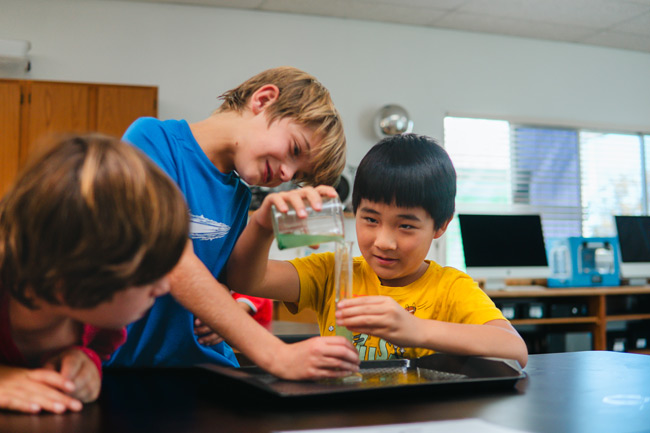
The Montessori cultural studies curriculum marries history, science and the study of human origins and cultures. The science curriculum encourages children to explore the wonders of the natural world with curiosity and excitement. Through hands-on experiments and discovery, they learn about plants, animals, physics, and the universe around them. This approach nurtures their sense of wonder and helps them develop a lifelong passion for scientific exploration.
Cultural studies in Montessori sparks curiosity and understanding by immersing children in the rich traditions, languages, and customs of cultures from around the world. Through hands-on materials and stories, children learn to appreciate the similarities and differences that unite us, fostering respect and empathy for others. This cross-cultural learning helps children grow into compassionate global citizens with a deeper awareness of the world around them.
The Research on Montessori
As Montessori education has evolved to serve families over more than a century, the core principles haven’t changed, for good reason. Contemporary research supports the 100-year-old Montessori Method's effectiveness. We see again and again that children who learn in Montessori classrooms demonstrate stronger social-emotional skills in many areas versus children in more traditional school environments. In a meta-study of 2,012 articles published in 2023, researchers concluded that a Montessori education results in better outcomes for students overall in both academic and non-academic areas. Similarly, a 2021 paper published in Frontiers in Psychology reported strong evidence of “improved psychological well-being” among adults who attended Montessori schools for at least two years as children – and the impact was greater the longer the child remained in the Montessori environment.
Our methods are consistently backed by education and human development research. As we look toward a rapidly evolving future, Montessori Center School knows what it takes to prepare children for life, from their earliest days as toddlers through to adulthood.
Learn more!
We invite you to submit an inquiry form, schedule a virtual tour & chat, and visit campus at one of our upcoming admissions open houses.

401 North Fairview Avenue, Suite #1
Goleta, California 93117


Montessori Center School admits students of any race, color, national and ethnic origin to all the rights, privileges, programs, and activities generally accorded or made available to students at the school. It does not discriminate on the basis of race, color, national and ethnic origin in administration of its educational policies, admissions policies, scholarship and loan programs, and athletic and other school-administered programs.