

Montessori Learning
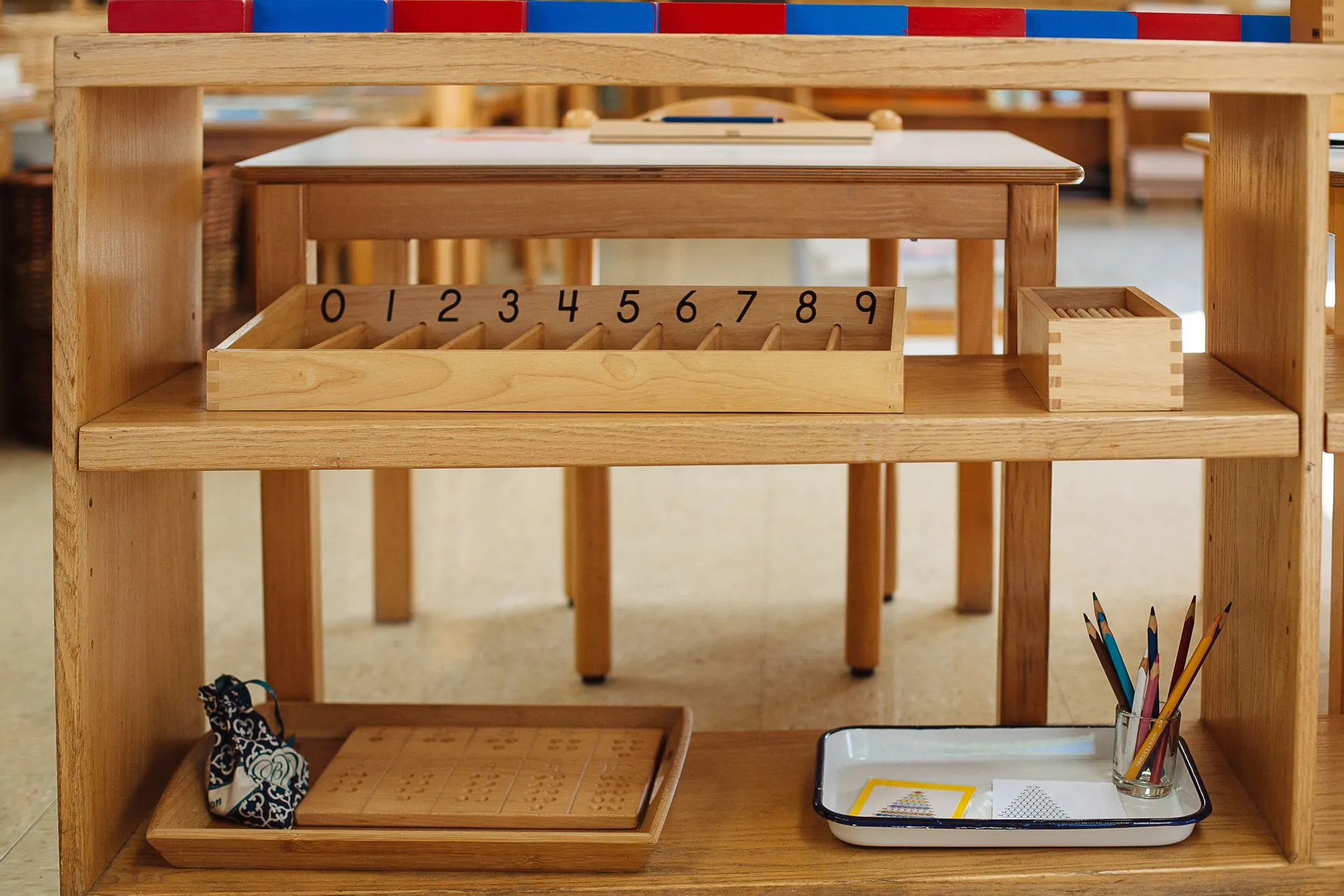
Montessori education is built on the understanding that children thrive when they are trusted as active participants in their own learning. Through hands-on materials, self-paced exploration, and mixed-age classrooms, Montessori environments nurture independence, intrinsic motivation, and deep concentration — qualities that form the foundation for both academic and personal success.

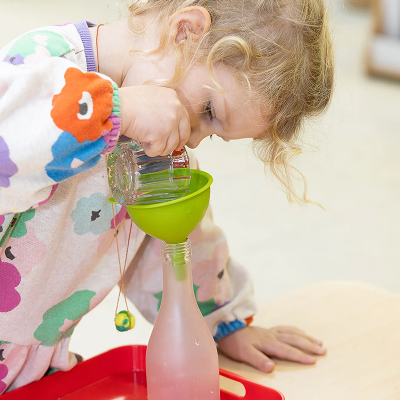
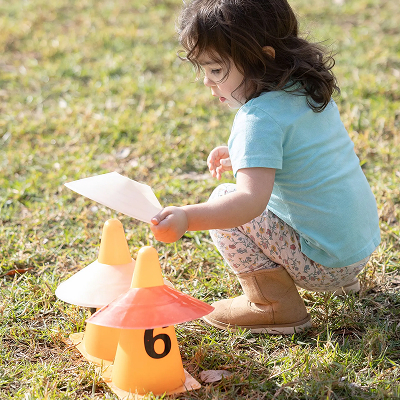
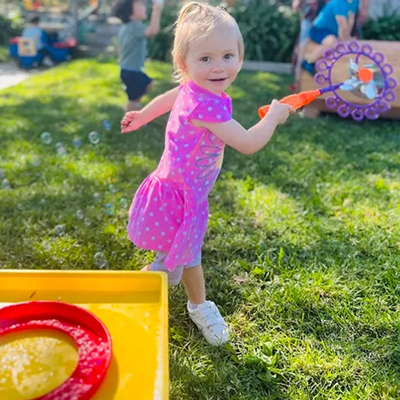
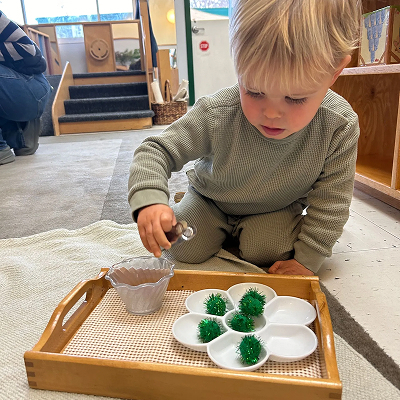
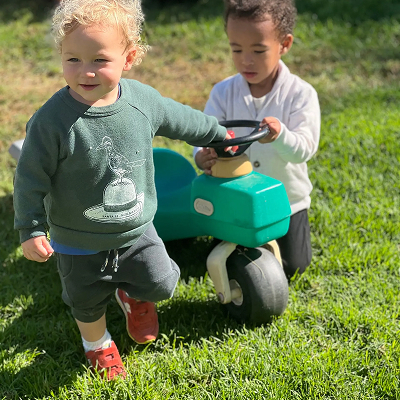
Self-directed learning
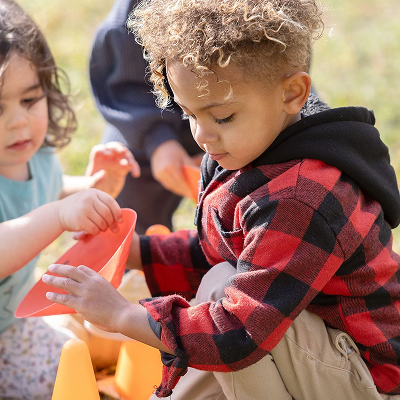
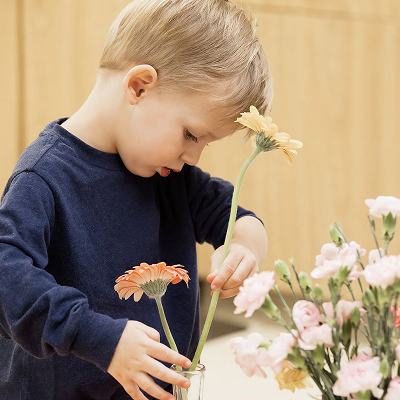
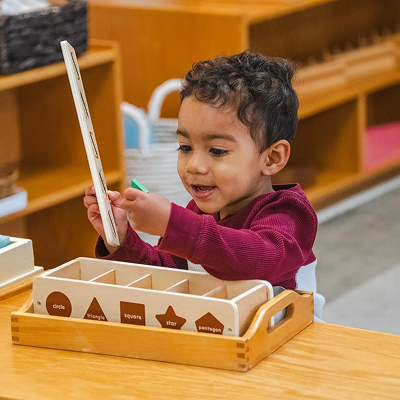
In a carefully prepared environment rich with time-tested learning tools, our Montessori teachers meet students where they are, giving them individualized learning activities based on their specific interests and abilities—and plenty of freedom. This flexibility fosters confidence and enthusiasm as students experiment and explore new knowledge and answer their own questions.
As they mature, children learn to look critically at their work, and become adept at recognizing, correcting and learning from their errors. Our Montessori materials are self-correcting, thoughtfully designed with a control-of-error feature so that students can work with increasing independence even as the curriculum increases in rigor.
Close, caring community of global citizens
The multi-age classroom—typically spanning three years—recreates a family structure. Older students enjoy stature as mentors and role models; younger children feel supported and gain confidence about the challenges ahead.
Teachers model respect, loving kindness, inclusivity and peaceful conflict resolution. Our greatest task is, we believe, to give children the tools to become positive forces to care for and transform their world. We want them to understand the interconnectedness of all things so that they may be fully integrated members of their greater community as they grow and mature.
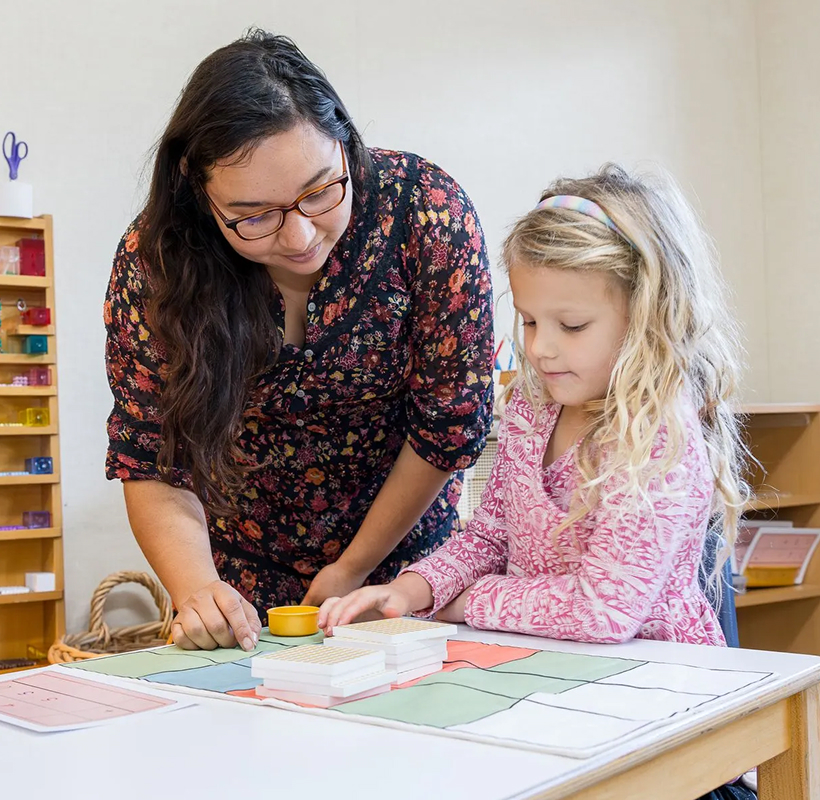
Research-backed methods
Up-to-date research supports the 100-year-old Montessori Method's effectiveness. We see again and again that children who learn in Montessori classrooms demonstrate stronger social-emotional skills in many areas versus children in more traditional environments. In a meta-study of 2,012 articles published in 2023, researchers concluded that a Montessori education results in better outcomes for students overall in both academic and non-academic areas. Similarly, a 2021 paper published in Frontiers in Psychology reported strong evidence of “improved psychological well-being” among adults who attended Montessori schools for at least two years as children.
Joy in learning
We know that students are happier and healthier when they’re free to explore in a supportive space without fearing failure. We have designed our curriculum and school intentionally so that, as students learn at the highest levels, they feel awesome walking into MCS every day!
Learn more!
We invite you to submit an inquiry form, schedule a virtual tour & chat, and visit campus at one of our upcoming admissions open houses.

401 North Fairview Avenue, Suite #1
Goleta, California 93117


Montessori Center School admits students of any race, color, national and ethnic origin to all the rights, privileges, programs, and activities generally accorded or made available to students at the school. It does not discriminate on the basis of race, color, national and ethnic origin in administration of its educational policies, admissions policies, scholarship and loan programs, and athletic and other school-administered programs.